
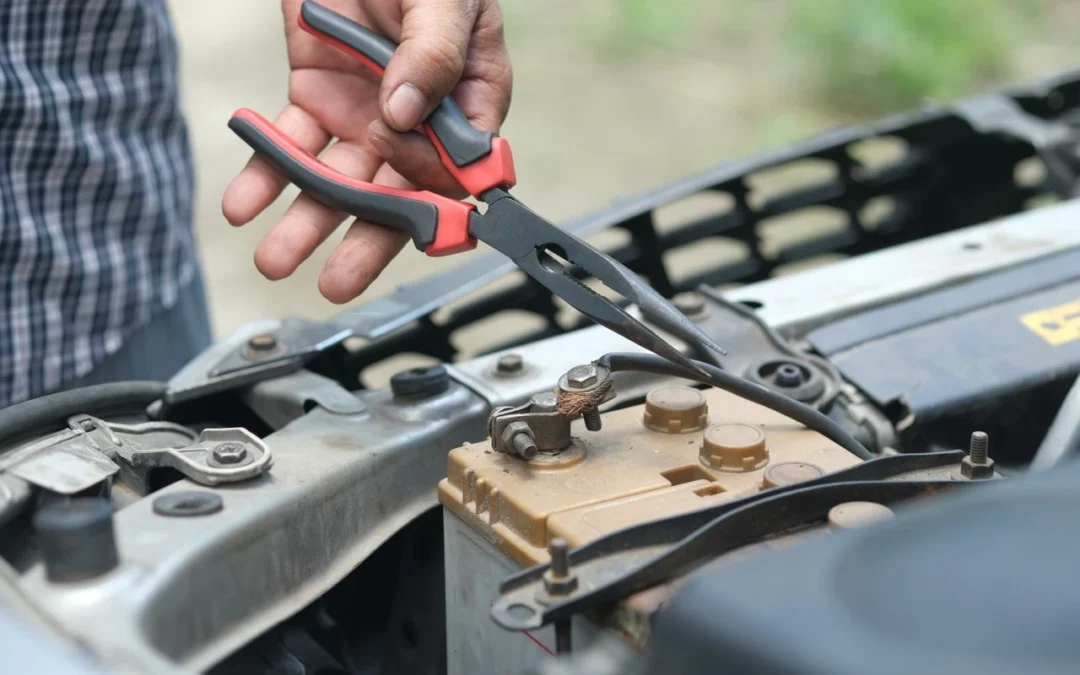
Few car parts last forever, and eventually every vehicle owner has to replace a dead battery. The question is: what should you do with the old one? Tossing it in the garbage isn’t just harmful to the environment it’s illegal in many parts of Canada. Fortunately, recycling a used car battery is easy, and in some cases, you can even earn a little money from it. The good news: car batteries are also one of the most recycled consumer products in the world, with roughly 98-99% of the lead-acid battery being recoverable and reusable. This guide walks through exactly where and how to recycle a used car battery across Canada.
Why Car Battery Recycling Matters
A standard lead-acid car battery contains:
- Lead plates – recycled into new batteries.
- Sulfuric acid – neutralized and reused.
- Plastic casing – processed into new battery housings.
Because of this, nearly every part of an old battery can be turned into a new one. Recycling also keeps dangerous acid and heavy metals out of waterways, and it’s simply the law in most jurisdictions many provinces explicitly ban lead-acid batteries from curbside garbage and landfill disposal.
Where to Recycle or Sell Used Car Batteries in Canada
1. Auto Parts and Tire Retailers
Almost any retailer that sells car batteries is required or willing to take your old one back, often as part of buying a replacement. This includes national and regional auto parts chains, tire and service centers, big-box stores with automotive departments, and independent garages. Most will accept your old battery, especially if they installed the new one.
Tip: When you buy a new battery, you’re usually charged a “core charge” or environmental fee (typically $10–$30). Bring your old battery back at the same time (or within a set window) and that fee is refunded or waived effectively making recycling free or even a small rebate.
2. Industry-Run Battery Recycling Depots
Several industry associations and producer-responsibility organizations run networks of depots specifically for automotive and marine batteries. A quick web search for “car battery recycling depot near me” or checking your province’s battery stewardship program will usually surface a locator tool that points you to the nearest participating depot.
3. Scrap Metal Dealers
Because of the recoverable lead content, most scrap metal yards will accept used car batteries and many will actually pay you for them by weight, since lead is a valuable commodity. A quick call or search for “scrap metal recycling near me” plus your city name usually turns up several options.
Check the Current Scrap Metal Pricing (2026)
4. Scrap Car Buyers
If your battery is still installed in an old vehicle that you’re planning to scrap, you don’t need to remove it yourself. These businesses buy end-of-life vehicles for their recyclable parts and materials including the battery and typically handle the entire de-pollution process (draining fluids, removing the battery, and sending it for proper recycling) as part of dismantling the car. Many will pick up the vehicle for free and pay you based on its scrap weight, so if you’re scrapping the whole car rather than just swapping the battery, this covers battery disposal automatically without an extra trip. Just confirm the buyer is a licensed auto recycler, since proper handling of batteries and fluids is regulated in most provinces.
5. Municipal Recycling Depots and Transfer Stations
Most cities and regional waste authorities accept car batteries as household hazardous waste at designated depots, often for free. Check your municipality’s solid waste or hazardous waste program page search “household hazardous waste depot” since hours and accepted items vary by location.
6. Mechanics and Service Centers
If a mechanic replaces your battery as part of a repair, they will almost always recycle the old one for you automatically no extra step needed on your part.
Province-by-Province Notes
Recycling programs and rules differ slightly by province:
- British Columbia – Provincial recycling resources note that local depots, landfills, transfer stations, and private scrap or battery companies commonly accept car batteries free of charge, and some will pay for batteries collected in bulk. A provincial recycling directory or hotline can point you to the nearest option.
- Ontario – Auto parts and tire retailers, plus municipal hazardous waste depots, are the main channels.
- Quebec – The provincial recycling authority oversees regulation; automotive batteries go through retailer take-back and depot programs rather than the household battery stream.
- Manitoba, New Brunswick, Nova Scotia, PEI – Good depot coverage through industry-run automotive battery collection networks; a quick search for your province’s program will point you to the closest site.
- Alberta, Saskatchewan, Territories – Retailer take-back and municipal hazardous waste depots are typically the most reliable options.
Because provincial extended producer responsibility (EPR) rules are being updated frequently, it’s worth double-checking your local municipal or provincial environment website for the latest rules before you go.
Check: Scrap Car Battery Prices in Canada (2026 Updated)
How to Prepare a Used Car Battery for Recycling
Car batteries are heavy and contain corrosive acid, so a little care goes a long way:
- Keep it upright during transport to avoid spills.
- Tape over the terminals (electrical tape works well) to prevent short-circuiting or sparking this is actually a safety requirement for many drop-off programs.
- Place it in a sturdy container or the original box if you still have it, or a plastic bin, in case of leaks.
- Don’t store it near flammable materials for long periods, and avoid letting it freeze solid outdoors.
- Wear gloves if you’re handling a battery that looks corroded or damaged, since white/greenish crust around the terminals is corrosive residue.
What Happens to Car Battery After Recycling
Once collected, batteries go to a licensed recycler where they’re typically:
- Broken apart and separated into lead, plastic, and acid components
- Acid neutralized and treated, sometimes converted into sodium sulfate for use in other industries (like glass or textile manufacturing)
- Lead melted down and purified for reuse in new batteries or other lead products
- Plastic casing shredded, cleaned, and pelletized into new battery cases