
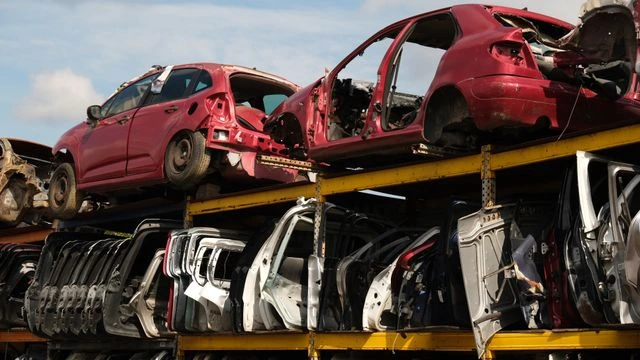
When a vehicle reaches the end of its life, it doesn’t have to end up rusting in a field or filling up a landfill. Modern vehicles are made up of dozens of materials that can be stripped down, processed, and given a second life. If you’re thinking about what to do with an old vehicle, understanding which parts can be recycled is the first step toward making a smart, eco-friendly, and financially rewarding decision.
In this guide, we’ll walk through the major car components that can be recycled, why it matters, and how you can turn your old vehicle into cash by choosing to sell car for recycling instead of letting it sit idle.
Why Recycle Car Components?
Every year, millions of vehicles reach the end of their usable life. Rather than treating these as waste, the automotive recycling industry recovers usable metals, fluids, and parts, reducing the need for new raw materials and cutting down on environmental waste. Recycling a car isn’t just good for the planet it’s also one of the easiest ways to earn some cash for a vehicle that would otherwise cost you money to store, insure, or dispose of.
If your car is old, damaged, or no longer running, choosing to sell your scrap car to a licensed recycler ensures that as much of the vehicle as possible is reused responsibly.
10 Car Components That Can Be Recycled
1. Metal Body and Frame
The steel and aluminum that make up a car’s body and frame are among the most valuable recyclable materials. These metals can be melted down and reformed into new automotive parts, appliances, or construction materials. In fact, metal recovery is one of the biggest reasons scrap yards are willing to pay for old vehicles.
2. Engine and Transmission
Even if an engine no longer runs, it often contains reusable metal components like aluminum, cast iron, and copper wiring. Some engines and transmissions are refurbished and resold as used parts, while others are broken down for their raw materials.
3. Batteries
Car batteries contain lead, acid, and plastic casing all of which are highly recyclable. Lead-acid batteries are considered one of the most successfully recycled products in the world, with the lead often reused in new batteries.
4. Tires
Old tires can be shredded and repurposed into rubber mulch, playground surfaces, road materials, or even fuel for industrial processes. Because tires don’t biodegrade easily, recycling them keeps rubber waste out of landfills.
5. Glass
Windshields and windows are typically made of laminated or tempered glass, which can be crushed and reused in construction materials, fiberglass, or new glass products.
6. Catalytic Converters
Catalytic converters contain precious metals like platinum, palladium, and rhodium. These components are in high demand for recycling due to the value of the metals inside them.
7. Wheels and Rims
Aluminum and steel wheels are easily melted down and reused. Depending on their condition, some rims are also cleaned up and resold as used parts.
8. Plastic Components
Bumpers, interior panels, and trim pieces are often made from recyclable plastics. These can be reprocessed into new plastic products, reducing the demand for virgin plastic production.
9. Fluids
Motor oil, transmission fluid, antifreeze, and brake fluid are all drained and recycled during the dismantling process. Proper disposal of these fluids prevents soil and water contamination.
10. Wiring and Electronics
Copper wiring, sensors, and electronic modules can be recovered and recycled, recapturing valuable materials like copper and rare metals used in circuit boards.
How to Recycle Your Car the Right Way
If you’re ready to part ways with an old or damaged vehicle, here’s how to do it responsibly:
- Choose a licensed recycler or scrap yard – Not all buyers dispose of vehicles properly look for a reputable facility that follows environmental regulations.
- Remove personal belongings and paperwork – Take out registration documents, personal items, and license plates before handing over the vehicle.
- Get a quote – Many recyclers offer free quotes based on your car’s make, model, weight, and condition.
- Arrange pickup or drop-off – Most services that buy vehicles for scrap offer free towing, making the process hassle-free.
- Get paid – Once the vehicle is inspected, you’ll typically receive payment on the spot.
Read also: Most Valuable Car Parts You Can Sell For Cash
Final Thoughts
Recycling a car is about about recovering valuable materials, protecting the environment, and putting a little extra money in your pocket. From the engine to the tires to the smallest wiring components, almost every part of a car can be given a new purpose.
If you have an old vehicle taking up space, now is a great time to explore your options and sell car for recycling through a reputable local recycler