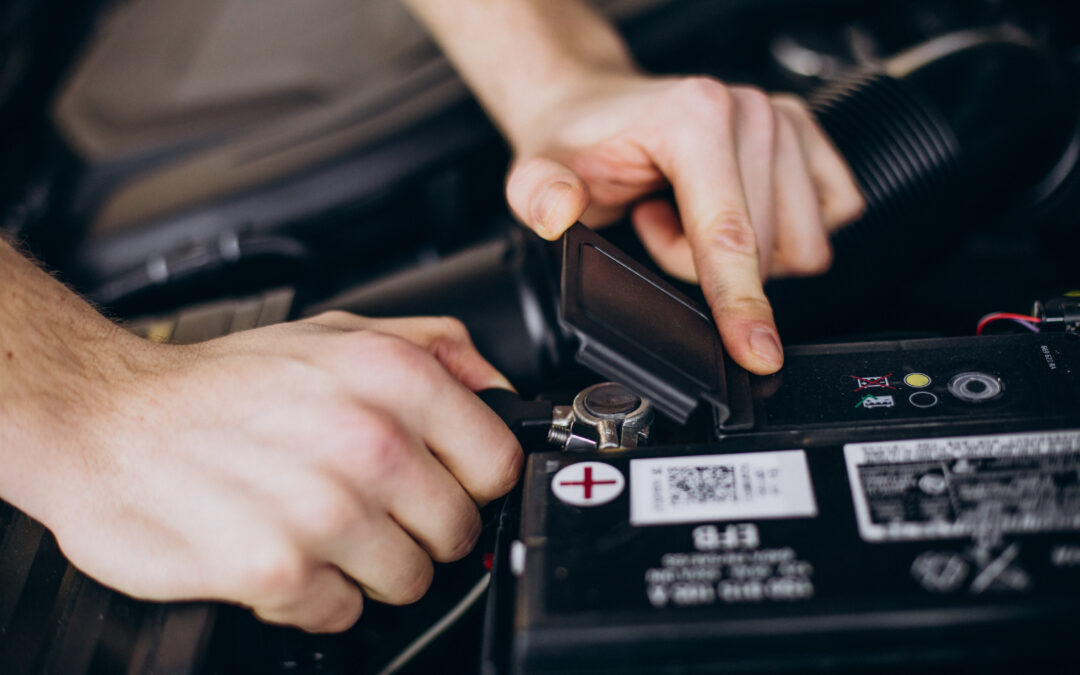
If you have an old or dead car battery sitting around, you might be surprised to find out it actually has real monetary value. Car batteries contain lead, acid, and other recyclable materials that scrapyards and recycling centres actively want. Whether you are scrapping an entire vehicle or just getting rid of a single battery, knowing what it is worth helps you get the best deal, Call us (647) 547-0393 for the best prices.
Is a Car Battery Worth Anything for Scrap?
Yes, a car battery is absolutely worth money for scrap. Standard 12-volt lead-acid car batteries are one of the most recycled consumer products in Canada. Scrapyards and battery recyclers pay for them because they contain a significant amount of lead, which is a valuable and infinitely recyclable metal.
A typical car battery weighs between 15 and 25 kg, and much of that weight is lead. Lead prices fluctuate on the commodities market, but they consistently make old car batteries a worthwhile item to sell rather than throw away. Never dispose of a car battery in the trash beyond losing money, it is also illegal in most Canadian provinces due to the hazardous acid content.
Current Scrap Car Battery Prices (2026 Updated)
Most scrapyards in Canada pay between $5 and $20 per battery, though the rate depends heavily on the current price of lead and the weight of your specific battery. Here is a detailed breakdown:
| Battery Type | Typical Weight | Scrap Price (CAD) | Common Vehicles |
|---|---|---|---|
| Small passenger car battery (Group 35/51) | 13 – 16 kg | $5 – $10 | Honda Civic, Toyota Corolla, Mazda 3 |
| Standard passenger car battery (Group 24/27) | 16 – 20 kg | $8 – $15 | Ford Focus, Chevrolet Cruze, Hyundai Elantra |
| SUV / minivan battery (Group 65/75) | 20 – 25 kg | $10 – $18 | Ford Explorer, Dodge Grand Caravan, Toyota RAV4 |
| Truck battery (Group 31/34) | 25 – 30 kg | $14 – $22 | Ford F-150, RAM 1500, Chevrolet Silverado |
| Heavy-duty commercial battery | 30 – 45 kg | $18 – $30+ | Semi trucks, delivery vans, heavy equipment |
| AGM battery (passenger/SUV) | 18 – 28 kg | $12 – $22 | BMW, Mercedes, Audi, newer Ford/GM vehicles |
| AGM battery (truck/commercial) | 28 – 40 kg | $18 – $28 | Ford F-250/350, RAM 2500/3500, fleet vehicles |
| Motorcycle / ATV battery | 3 – 6 kg | $2 – $5 | Honda, Yamaha, Kawasaki, Polaris |
| Marine / deep-cycle battery | 25 – 35 kg | $12 – $20 | Boats, RVs, golf carts |
| EV / hybrid battery pack | 150 – 500 kg | $200 – $2,000+ | Tesla, Chevy Bolt, Toyota Prius, Nissan Leaf |
Scrapyards buy batteries by the pound or kilogram, typically paying anywhere from $0.20 to $0.50 per kg for lead-acid batteries. The exact rate changes week to week based on the London Metal Exchange (LME) lead price, so it pays to call ahead and ask for the current metal rate before you drive over.
How Auto Recyclers Calculate Battery Value
Recyclers use simple calculations to determine pricing. They weigh the battery and estimate recoverable lead content. Some yards also adjust rates based on handling cost and storage capacity. A quick sample calculation looks like this
- Battery weight 18 kg
- Lead recovery value per kg 1 CAD
- Estimated payout around 18 CAD
Transparent buyers explain this process clearly. This builds trust and long-term relationships.
Read: Scrap Car Price Calculator – How Quotes Are Actually Calculated
Key Factors That Affect Battery Scrap Value
Many elements decide how much money you receive for an old battery. Understanding these helps you negotiate better deals.
- Lead content and weight: Heavier batteries contain more lead. Recyclers pay based on usable metal weight. A fully intact battery with higher lead content gives better returns.
- Market demand for recycled metal: Lead prices depend on global metal markets. When industrial demand rises, scrap battery value increases. Seasonal changes also affect rates.
- Battery condition and type: Leaking or damaged batteries may fetch lower prices. Standard lead-acid units remain more valuable than newer types with mixed materials.
- Location and recycling competition: Cities with multiple recycling yards often offer competitive pricing. Remote areas may show lower rates due to transport costs.
What is the Value of an Old Car Battery?
The value breaks down into two components: material value and core value.
Material Value
The lead plates and lead oxide paste inside a battery make up roughly 60–70% of its total weight. At current lead prices, the raw material in a standard 18 kg car battery is worth approximately $15 to $25 in lead content alone. Scrapyards do not pay you the full commodity value because they have processing, transportation, and overhead costs, so expect to receive 30–50% of the actual material value.
Core Value (Battery Deposit)
In several Canadian provinces, when you buy a new car battery, you pay a core charge or deposit typically $5 to $20. When you return your old battery to the retailer at the time of purchase, you get that deposit back. This is separate from scrap value and is essentially the retailer’s incentive for you to return the used battery for proper recycling.
Where to Sell or Return an Old Battery
- Retailer where you buy the new one : Easiest option; core deposit refund is automatic in most provinces.
- Scrap metal yards : Best if you’re not buying a new battery and just want cash for the old one.
- Battery recycling centers : Some specialize specifically in lead-acid batteries and may offer competitive rates.
- Auto parts stores without a purchase : Many will still take your old battery for a partial payment, even if you’re not buying a new one.
Tips to Get the Highest Price For Scrap Batteries
You can improve your earnings with a few practical steps. These tips help you approach buyers with confidence.
- Check current metal price updates before selling
- Clean the battery exterior to show good condition
- Avoid draining or damaging the unit before sale
- Sell multiple batteries together for bulk pricing
- Choose certified recyclers with transparent weight-based pricing
Conclusion
A scrap car battery in Canada is worth between $5 and $25 at most scrapyards, with the exact amount depending on weight, lead content, and current commodity prices. You will not retire on what you earn, but it is real money for something you would otherwise throw away and recycling it properly keeps hazardous lead and acid out of landfills. Take five minutes to call a couple of local scrapyards, compare their rates, and you will walk away with the best price available in your area.
If you have a scrap car lying in your house, get it scrapped in GTA areas- Mississauga, Brampton, Oakville, Etobicoke at the best prices.