
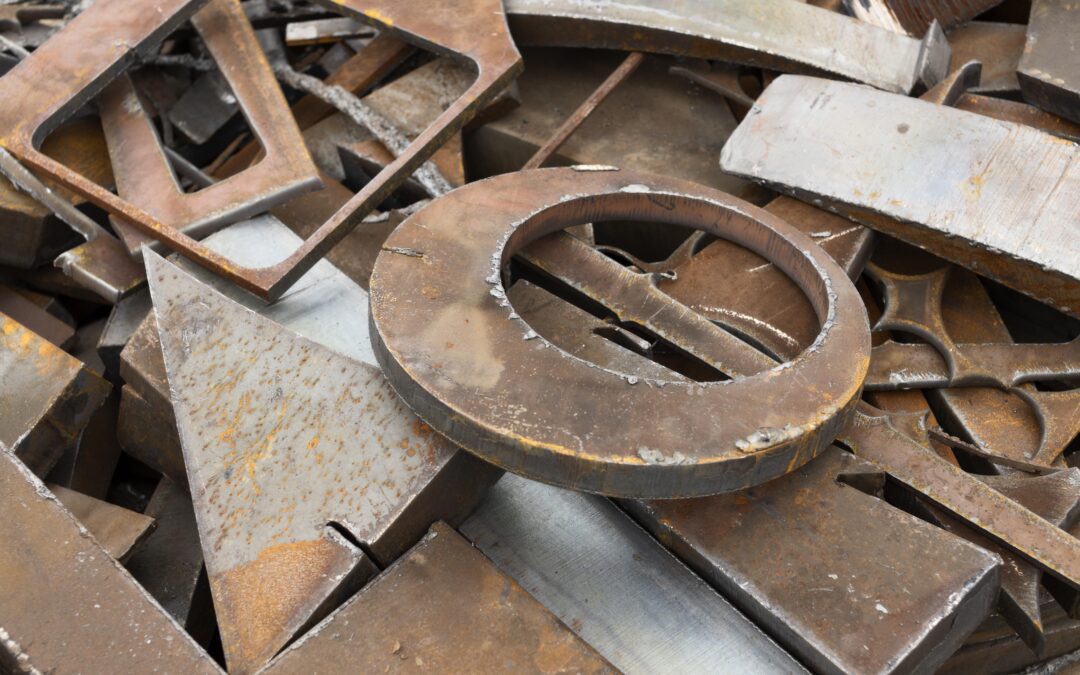
Have you ever walked past a pile of old rusted pipes or a broken lawnmower and wondered if it was worth anything. Most people just see a mess that needs to go to the dump. But if you look closer you are actually looking at a small pile of money. The world is changing how it makes steel and they need your old iron to do it. It is a win for the planet and a win for your wallet.
This guide is going to break down exactly what you can expect to get paid at the yard today. We will look at why prices move around and how you can make sure the scrap yard owner gives you a fair deal. Whether you are cleaning out a shed or doing a big renovation knowing your scrap value is the best way to get paid for your hard work.
What is the Actual Price for Scrap Iron Today
Scrap iron and steel prices vary by grade, condition and local yard, but current Ontario rates can range from roughly 10 to 25 cents per pound for common ferrous scrap, with some heavier or better-prepared grades reaching higher. For example, current Mississauga pricing published by a local recycler puts mixed steel at about $250 per net ton, cast iron at $200 per ton, and auto cast at $360 per ton. That works out to roughly 10–18 cents per pound for those categories.
Why Do the Prices of Iron Change Every Single Day
You might notice the price on the board changes all the time. This happens for a few simple reasons that have nothing to do with the guy running the scale.
- Supply and Demand: When big countries are building a lot of new bridges or skyscrapers they need more iron. When they buy more the price you get at your local yard goes up.
- Gas Prices: Iron is very heavy and expensive to move. If diesel prices go up the scrap yard has to pay more to ship the metal away. To cover that cost they usually pay you a little bit less.
- The Weather: In the middle of winter fewer people are out scrapping. Since there is less metal coming in the yards sometimes raise their prices just to get people to show up.
- How Clean It Is: If your iron is covered in wood or plastic the yard has to spend time cleaning it. They will take that cost out of your payout.
Different Types of Iron You Should Know About
- Light Iron and Shred: This is the most common type of iron. It includes things like old dryers or thin sheet metal. It usually has a lower price because it is often mixed with other materials.
- Heavy Melting Scrap: This is often called HMS. It consists of thick steel that is at least a quarter inch thick.
- Cast Iron: You find this in old bathtubs or heavy engine parts. It is very heavy for its size and usually gets a better price than the thin stuff.
Common Sources of Scrap Iron at Home and Industry
Iron scrap appears in many everyday places. Recognizing these sources helps you collect sellable metal.
- Household items: Old furniture frames, broken appliances, and grills often contain iron.
- Automotive parts: Engine blocks, brake discs, and suspension components are common sources.
- Construction debris: Beams, rods, and reinforcement bars provide bulk iron scrap.
- Industrial waste: Factories generate large quantities during production or maintenance.
Read also : Top 10 metals with high scrap value
Ways to Increase Earnings From Scrap Iron
Scrap iron does not pay very high per pound, so small smart steps can make a real difference in what you earn. Most people lose value because they sell mixed or unprepared scrap. With better handling and timing, you can improve your payout without much extra effort.
- Clean the scrap before selling: Remove plastic, rubber, wood, or other non metal parts. Scrap yards pay based on pure metal weight. Even simple cleaning can increase the final price.
- Sort iron by type and thickness: Heavy and dense iron usually gets better rates than thin sheets. When you separate scrap into categories, yards can process it faster and may offer slightly better payment.
- Store and sell in bulk: Selling small amounts often brings standard yard rates. If you collect scrap over time and sell a larger load, you may get better total returns. Bulk loads also reduce transport cost per trip.
- Check prices at more than one yard: Scrap metal prices are not always the same everywhere. Calling a few local buyers helps you understand current market value. Even a small rate difference can matter when you sell larger quantities.
- Choose the right time to sell: Iron prices move with construction and steel demand. If you track market trends and avoid selling during low demand periods, you can earn more from the same scrap.
- Reduce transport cost: Transport expense can cut into profit. Try to sell to the nearest reliable yard or use pickup services when available. Saving on logistics helps keep more money in your pocket.
- Combine scrap sources when possible: Instead of selling iron alone, combine it with other recyclable metal or vehicle parts if you have them. This increases total load value and makes the trip more worthwhile.
Wrapping It Up
The value of 1lb of iron might seem tiny but it is the backbone of the recycling world. By knowing what you have and taking a little time to sort it you can walk away with a lot more cash. The market is looking good right now so it is a perfect time to clear out that old junk.
If you have a car that is basically a block of rust then calling a junk Car removal Mississauga is a great way to get it gone and get paid fairly. Just stay consistent and keep an eye on the prices and you will do great.