
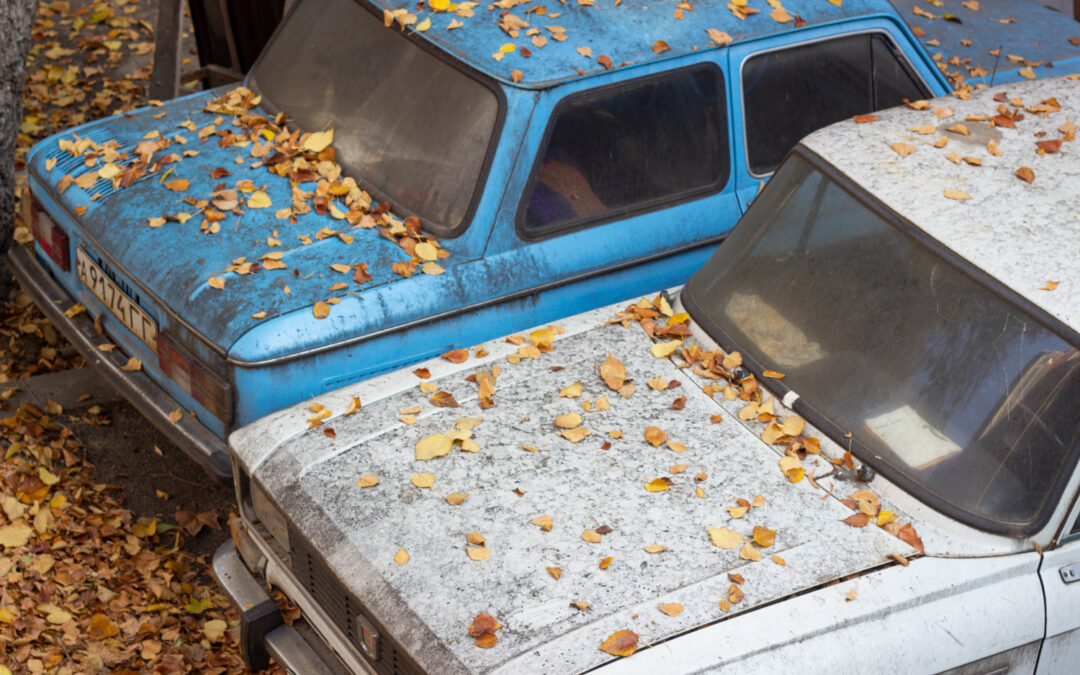
At some point, almost every car reaches a stage where keeping it no longer makes sense. It might be sitting in the driveway because the engine failed, parked in the garage after an accident, or simply getting older with repair costs piling up. Many owners keep putting off the decision because they are unsure what to do with a vehicle that can no longer be driven.
The reality is that thousands of vehicles across Ontario reach this point every year. What many people do not realize is that even a non-running or badly damaged car still has value. The metal, parts, and components inside the vehicle can still be reused or recycled through professional buyers.
If you are thinking about getting rid of an old vehicle, understanding the process makes everything much easier. This guide walks you through when it makes sense to scrap a car, how the selling process works in GTA, and what steps you can take to get a fair deal from the right buyer.
Scrap vs. Junk vs. Salvage Cars – What’s the Difference?
Most people use these terms interchangeably, but they mean very different things to a buyer. Understanding where your car sits determines your starting price.
| Vehicle Type | Definition | Best Payout Method |
| Scrap Car | High rust, missing parts, or 20+ years old. Valued for raw metal. | Local Scrap Recycler |
| Junk Car | Complete but non-running due to a major engine or transmission failure. | Cash-for-Junk-Cars Service |
| Salvage Car | Newer vehicle with a total loss label from insurance. Valuable for parts. | Specialized Salvage Buyer |
2026 Market Update: In March 2026, high-grade scrap steel is currently trading at approximately $270 – $400 per ton across Canada. Always check the weight of your vehicle to ensure your quote is fair.
Read more: Scrap Metal Prices
Options for Selling a Scrap, Junk, or Salvage Vehicle?
The best option depends on your car’s condition, how much time you have and what you want from the process.
Option 1: Sell Privately
Works best when your car is drivable, has some cosmetic issues, but runs well and is not worth repairing to a proper roadworthy standard. Private buyers on Kijiji or Facebook Marketplace will typically pay more than any recycler, but the trade-off is your time. Expect to spend two to six weeks dealing with inquiries, test drives and lowball offers for a car that is even slightly rough.
For non-running or heavily damaged vehicles, private selling is rarely practical. Most private buyers want to drive something away.
Option 2: Dealer Trade-In
If you are already buying another vehicle, a trade-in adds convenience. The downside is that dealers build their margin into the trade-in price, which almost always means you receive less than what a direct buyer would offer. Most dealers also have internal standards and will simply refuse vehicles that are too damaged or non-running.
Option 3: Sell Directly to a Licensed Auto Recycler
This is the best route for most people in Ontario. A licensed auto recycler handles the towing, the paperwork and the payment in one visit. They assess the full vehicle, including parts and metal value, rather than just the weight. The payout is typically faster and higher than a raw scrap yard because they are buying a parts-bearing asset, not just a pile of steel.
Option 4: Sell to a Cash for Cars Service
This is essentially the same as an auto recycler, but usually with more streamlined logistics. You get a quote over the phone or online, schedule a pickup, the buyer comes to you with a tow truck, and you receive payment on the spot. For residents across Mississauga and the GTA, this is the most practical option because the entire process typically completes within one to two business days.
Option 5: Part It Out Yourself
If you have mechanical knowledge, time and somewhere to store the car while you sell parts, you can often earn 30 to 80 percent more total by selling components individually. An engine in good condition can sell for $500 to $2,000 on its own. A catalytic converter alone can go for $100 to $500, depending on the make. The downside is that this is a project. If you just want the car gone, this is not your path.
Option 6: Donate to Charity
Some organizations in Ontario accept vehicle donations and issue a tax receipt based on the appraised value. If the car has minimal sale value and you genuinely support the cause, this can make sense. If you need cash, selling is almost always the better financial decision.
Important: In Ontario, auto recyclers must be registered under the Environmental Protection Act and listed with the Ontario Automotive Recyclers Association (OARA). Always verify this before you hand over your ownership.
Step-by-Step Process for Scrap Car Removal in Ontario
Here is how the process usually works when you contact a licensed scrap car removal in Mississauga. Following these steps will help you complete the sale smoothly and avoid delays.
Step 1: Remove personal belongings from the vehicle
Before pickup, check the entire car carefully. Look inside the glove box, trunk, door pockets, and under the seats. Many people forget important items such as documents, chargers, or personal belongings.
Step 2: Prepare your ownership and identification
You will need the Vehicle Ownership Permit issued in Ontario and a valid government photo ID. The buyer will usually prepare a bill of sale during the transaction to record the transfer.
Step 3: Remove your license plates.
In Ontario, the license plates belong to the vehicle owner, not the car. Remove them before the tow truck arrives. You can return the plate portion of your ownership to ServiceOntario to cancel the registration.
Step 4: Compare a few quotes before choosing a buyer
Contact at least two or three scrap car buyers before making a decision. Prices can vary between companies for the same vehicle, so comparing offers can help you secure a better payout.
Step 5: Complete the ownership transfer and cancel insurance
When the buyer arrives, sign the vehicle portion of the ownership document to transfer the car legally. After the pickup is completed, notify ServiceOntario and contact your insurance provider to cancel the policy on that vehicle.
What Types of Scrap and Salvage Vehicles Can Be Bought?
You might think your car is too far gone to sell, but that is rarely the case. In a circular economy, almost every part of a vehicle still has value and can be reused, recycled, or repurposed. Professional scrap car buyers are equipped to handle vehicles in many different conditions and will usually accept the following types of cars:
- Accident Write-Offs: Even with severe frame damage.
- Engine Failures: Blown head gaskets or seized motors.
- Failed Emissions/Safety: Vehicles that would cost more to fix than their market value.
- Abandoned Property: Vehicles left on lots (provided you have the legal right to sell).
How Can I Get the Best Cash for Cars Deal
If you want the best possible price for your vehicle, it helps to approach the sale with a little preparation. Many owners accept the first offer they receive, but a few simple steps can help you secure a better deal and avoid common issues.
Keep the Important Parts Intact
It may be tempting to remove items like the battery or catalytic converter before selling the car. However, buyers usually reduce their offer when key components are missing. A complete vehicle almost always receives a better price.
Ask How the Payment Will Be Made
Most professional buyers now offer secure digital payments such as e-transfer or instant bank transfer. This method is fast and transparent, and it reduces the risk of payment delays.
Make Sure Towing is Included
A reliable scrap car buyer normally provides free pickup. You should not have to pay extra to have the vehicle removed from your property.
Keep Your Ownership Document Ready
Having the ownership permit available makes the transaction faster and smoother. Buyers can confirm the paperwork immediately, which often leads to quicker payment and pickup.
Is It Better to Scrap Your Car or Sell the Parts Separately
Choose parting out when:
- Your car has a high-demand engine or transmission in good working condition
- The catalytic converter is intact on a Toyota, Honda or similar popular make
- You have somewhere to store the car for four to eight weeks while you sell
- You have mechanical ability or access to someone who does
- The car is a popular and newer model, where parts sell quickly online
Choose selling whole when:
- You want the car gone within 48 hours
- The vehicle is a less popular make, or old enough that part demand is low
- You do not have storage space
- The car has flood or fire damage that compromised most components
- Your time has real value to you, and a weekend of selling parts is not appealing
Common Mistakes Ontario Sellers Make That Cost Them Real Money
Many vehicle owners lose part of their payout because of small mistakes during the selling process. Avoid these common issues to protect your money and keep the transaction smooth.
- Accepting the first quote: Scrap car prices vary between buyers. Getting two or three quotes can sometimes increase your payout significantly.
- Removing the catalytic converter: A missing converter often lowers the buyer’s offer because the vehicle appears partially stripped. Keeping the car complete usually brings a better price.
- Not cancelling insurance quickly: Insurance does not stop automatically after selling a car. Contact your provider the same day to avoid paying for coverage you no longer need.
- Signing ownership before payment: Complete paperwork at the same time you receive payment. This protects you from payment delays or disputes.
- Forgetting personal items inside the car: Check the glove box, trunk, and storage areas carefully. Important documents and personal belongings are often left behind.
Conclusion
Every day that vehicle sits in your driveway is a day it is losing value, costing you insurance money and taking up space you could use for something else. The good news is that the process of getting rid of it and walking away with real cash is genuinely straightforward when you know the steps and work with the right buyer.
If you are in Mississauga or anywhere in the GTA, Scrap Car Buyer Mississauga has been doing exactly this for over two decades. We are licensed, handle all the paperwork, send a tow truck to you for free and pay you on the spot. No running around, no games, no last-minute offer drops.
Your next step is simple. Call Scrap Car removal mississauga today, get a real quote in under five minutes and have your car gone and your cash in hand within 24 hours.