
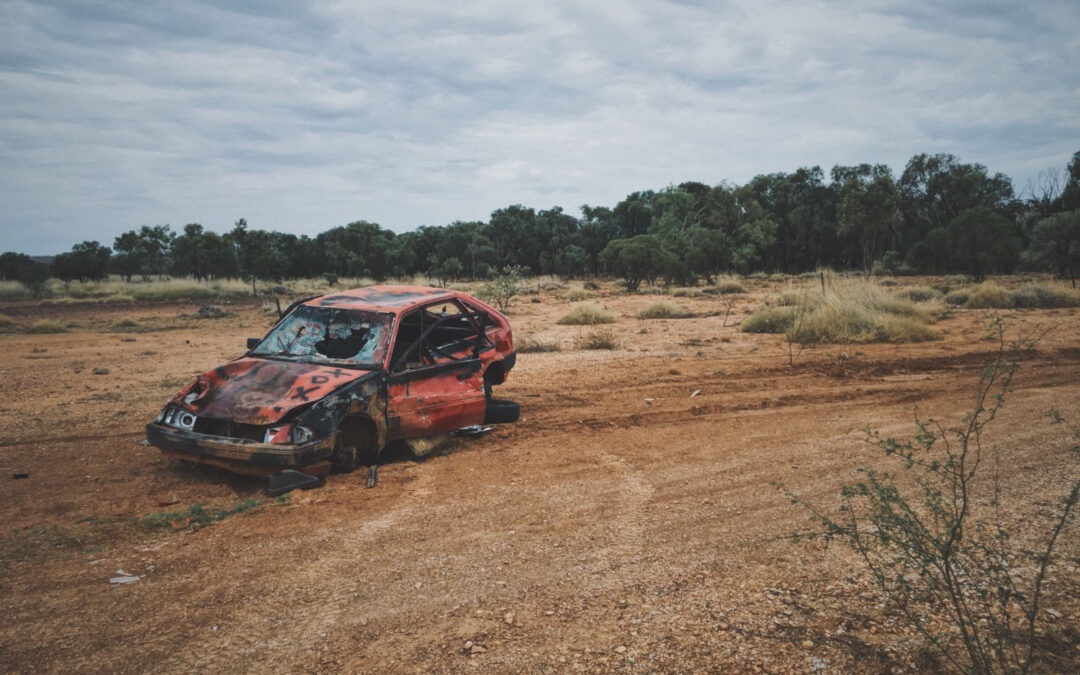
Many people keep old vehicles in garages, driveways, or backyards because they are not registered. They often think they cannot legally scrap it. This confusion leads to unused vehicles taking up space for months or even years. In reality, an unregistered vehicle can still be scrapped if you follow the correct process. A car may be unregistered for many reasons.
- The registration expired.
- The owner stopped driving it.
- The car failed inspection.
- Sometimes the vehicle has been parked for years, and the paperwork has been lost. Whatever the reason, you still have legal options to remove the vehicle.
Understanding the right steps saves time and prevents legal trouble. It also helps you get some value from a car that no longer runs. This guide explains how the process works, what documents you may need, and how owners can scrap an unregistered vehicle in a simple and legal way.
Can You Scrap a Car Without Registration
Yes. In most cases, you can scrap a vehicle even if it is not registered. Registration only allows a car to drive legally on the road. It does not prove ownership. Scrap buyers mainly care about ownership proof, not active registration.
If you can show that the vehicle belongs to you, many scrap yards will accept it. The exact process may depend on the province or state, but the general rule stays the same. Ownership matters more than registration status.
Common situations where cars become unregistered include
- Expired registration that was never renewed
- Vehicles that failed inspection and were parked
- Cars damaged in accidents
- Vehicles stored for many year
- Cars inherited from family members
If the owner can prove legal ownership, scrapping the vehicle usually becomes straightforward.
Documents that May Be Required
Even when the vehicle is not registered, scrap yards still need basic paperwork to confirm ownership. This protects both the seller and the buyer. Typical documents include:
1.Vehicle ownership or title
This is the strongest proof that the car belongs to you. If you still have the ownership certificate, the process becomes simple.
2.Valid identification
Most buyers ask for a government-issued ID to match the owner’s name.
3.Bill of sale or proof of purchase
If you bought the car privately and never registered it, a bill of sale can help confirm ownership.
4.License plates
In some places, you may need to remove the plates before selling the vehicle.
| Document | Why is it needed |
| Ownership paper | Confirms legal ownership |
| Government ID | Matches seller identity |
| Bill of sale | Helps when the title transfer is incomplete |
| License plates | Often returned or removed before scrapping |
Every scrap yard may follow slightly different rules. It is always good to ask in advance.
What if you Lost the Ownership Papers
Losing ownership papers is common with older vehicles. Many people believe this means the car cannot be scrapped. If you have lost your car ownership documents there are two options available:
Apply for a replacement ownership document
Most transport offices allow owners to request a replacement ownership certificate. The process normally requires
- Valid identification
- Vehicle information, such as VIN
- A small application fee
Once the replacement document arrives, you can sell the vehicle without issues.
Provide alternative ownership proof
Some scrap car buyers may accept other forms of proof, such as
- Old insurance records
- Previous registration papers
- Bill of sale
- VIN record linked to your name
Policies depend on the buyer, calling ahead saves time and prevents surprises.
Read also: How much can you expect for a Scrap car
Step-by-Step Process to Scrap an Unregistered Vehicle
The process itself is usually simple. Owners just need to follow the right order.
Step 1: Inspect the vehicle condition
Look at the car and note its condition. This helps scrap buyers estimate the value. Important factors include
- Whether the engine runs
- Missing parts
- Damage from accidents
- Rust level
Step 2: Gather available documents
Collect whatever paperwork you have related to the car. Even partial documents can help speed up the process.
Step 3: Contact local scrap buyers
Reach out to scrap yards or vehicle recyclers and explain that the vehicle is unregistered. Many companies deal with this situation regularly. They will tell you what documents they accept.
Step 4: Get a price quote
Scrap value usually depends on multiple factors. Older vehicles with complete parts often bring slightly higher prices.
- Vehicle weight
- Metal value
- Condition of parts
- Current scrap metal market
Step 5: Schedule vehicle pickup
Many companies offer free towing fornon-running cars. This is where services like scrap car removal become useful since they handle transport and paperwork at the same time.
Step 6: Transfer ownership
Before the vehicle leaves your property, sign the required transfer documents. This confirms the car no longer belongs to you. Once this step is complete, the buyer handles recycling and dismantling.
How Scrap Value Is Calculated for Unregistered Cars
Registration status usually does not affect scrap value. Buyers mainly look at the vehicle itself. Several factors influence pricing.
- Vehicle weight: Heavier cars contain more metal. This increases scrap value.
- Current metal prices: Steel and aluminum prices change often. Scrap value moves with the market.
- Reusable parts: Cars with intact engines, transmissions, or catalytic converters often bring better offers.
- Vehicle completeness: A car missing major parts may sell for less.
Here is a simple example. Prices vary by region and metal market conditions.
| Vehicle Type | Typical Scrap Value Range |
| Small sedan | Lower metal weight value |
| SUV | Medium to higher value |
| Pickup truck | Often higher due to metal weight |
Common Problems People Face When Scrapping Unregistered Vehicles
Many owners delay the process because they think it will be complicated. Most issues have simple solutions. Once these issues are sorted, scrapping becomes straightforward. Common problems include:
- Missing ownership papers on is to apply for replacement ownership.
- Vehicle parked for years: Old cars may have flat tires or seized engines. Towing services solve this.
- Uncertainty about legal steps: Contacting a licensed scrap buyer helps clarify requirements.
- Vehicle still registered to a previous owner: In such cases you may need proof of purchase or transfer records.
Conclusion
Scrapping an unregistered vehicle is easier than most people think. The key requirement is proving that the vehicle belongs to you. Registration status usually does not stop the process. By gathering ownership documents, contacting licensed buyers, and completing the transfer correctly, you can safely remove an unused vehicle from your property. If you are looking for scrap car removal in mississauga, visit us.