
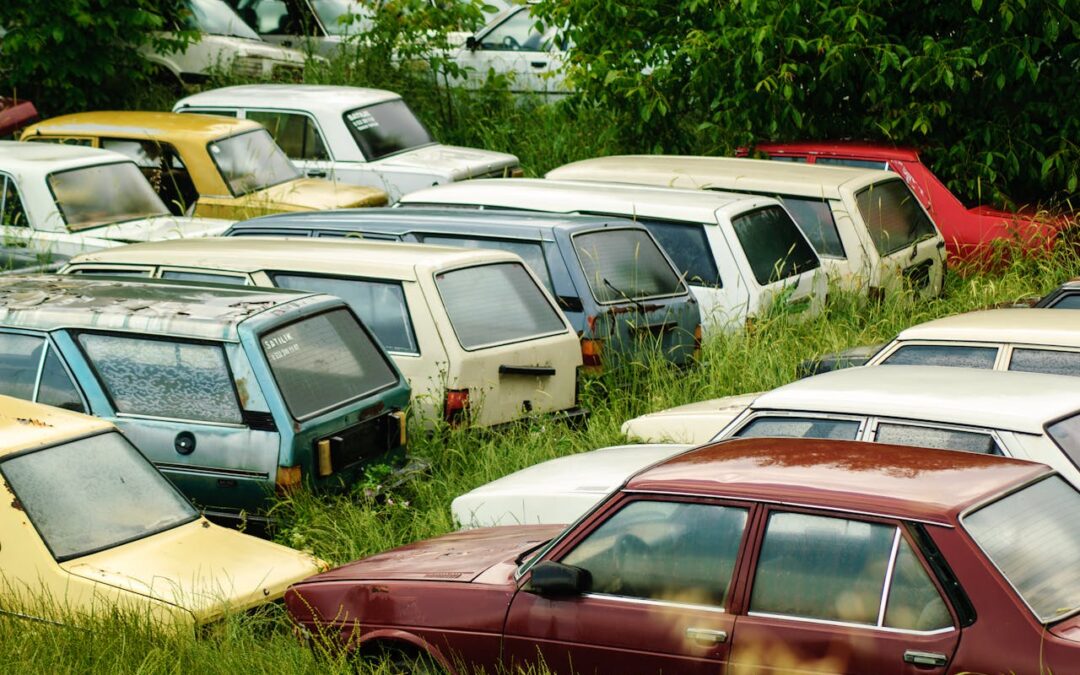
If you’ve ever wondered why two similar cars can receive completely different scrap quotes, you’re not alone. Scrap car pricing isn’t random, but there isn’t one universal formula that determines what every vehicle is worth either.
Several factors can influence the final offer, including the vehicle’s weight, current metal prices, condition, completeness, reusable parts, location, and towing requirements. Understanding these factors can help you get a more realistic idea of your car’s value and make it easier to compare offers.
What Is a Scrap Car Price Calculator?
A scrap car price calculator is a tool that provides an estimated value for an unwanted or end-of-life vehicle. Depending on the calculator, you may be asked to enter information such as the vehicle’s make, model, year, weight, condition, and location.
These calculators can be useful when you want a quick estimate, but they should not be treated as a guaranteed offer. An online calculator cannot always account for important details such as missing parts, the condition of the engine, the catalytic converter, severe rust, or the actual cost of transporting the vehicle.
For a more accurate estimate, a scrap car buyer will usually need specific information about the vehicle and may ask for photos or inspect it before confirming the final offer.
How is Scrap Car Price Calculated
There are several factors that buyers consider when determining the value of a scrap vehicle.
1. Vehicle Weight
One of the biggest factors in determining your scrap car’s value is its weight. Scrap metal is bought and sold by the ton, so heavier vehicles like trucks, Toyota SUV, SUVs, and vans tend to fetch higher prices than smaller compact cars. A full-size pickup truck like a Ford F-150 will generally bring in more scrap value than a Honda Civic simply because it contains more recyclable metal.
2. Current Scrap Metal Prices
Scrap metal prices can change over time based on market conditions, demand, supply, processing costs, and other economic factors. Steel makes up a significant portion of many vehicles, but cars also contain aluminum, copper, and other recyclable materials.
Because metal prices fluctuate, the value of a vehicle can change from one period to another. This is one reason an offer received today may not be identical to an offer received several weeks or months later.
A good scrap car buyer considers current market conditions when preparing an offer rather than relying on an outdated price.
3. Vehicle Condition
While scrap car buyers will purchase vehicles in almost any condition, the overall state of your car does play a role in the final quote. A car that is complete with all its parts, fluids drained, and in relatively good structural shape will typically be worth more than one that is heavily stripped, rusted through, or missing major components like the engine or transmission. That said, even accident-damaged, flood-damaged, fire-damaged, and non-running vehicles still hold significant scrap value.
4. Salvageable Parts and Components
Not every scrap vehicle goes directly from pickup to the crusher. Before processing, some vehicles may be assessed for components that have potential reuse or recycling value. Depending on the vehicle, these can include:
- Engine
- Transmission
- Catalytic converter
- Alternator
- Starter
- Wheels and tires
- Battery
- Certain electronic components
- Other reusable parts
A vehicle with valuable components still intact may receive a different offer from one that has already been stripped of those parts.
5. The Make, Model, and Year
The make, model, and year of your vehicle can influence its scrap value in a couple of ways. First, certain vehicles are more common on the road, which means their parts are in higher demand at salvage yards. Second, newer vehicles tend to contain more aluminum and other lightweight metals that carry higher scrap value. Older vehicles may have more steel but less of the premium metals found in modern cars.
6. Location and Towing Distance
Where the vehicle is located can affect the economics of the transaction. If the vehicle is within a buyer’s normal service area, transportation may be easier to arrange. A vehicle located farther away may involve additional travel, transportation, or processing costs.
When requesting a quote, always ask whether towing or pickup is included. This helps you understand the actual amount you can expect rather than comparing one quote that includes removal with another that does not.
For vehicle owners in Mississauga and surrounding GTA communities, working with a local scrap car buyer can make the removal process more straightforward.
7. Outstanding Liens and Missing Documents
The paperwork associated with a vehicle can affect the selling process. Having your ownership documents available can make the transaction easier. If documents are missing or there is an outstanding lien, tell the buyer before arranging the pickup.
Requirements can vary depending on the vehicle and the buyer, so it is better to clarify the situation in advance rather than discovering a paperwork issue when the vehicle is ready for removal.
How to Get the Most Accurate Quote
To get the most accurate scrap car quote, be as honest and detailed as possible when describing your vehicle. Provide the year, make, model, mileage, and a clear description of its condition. Let the buyer know if any major parts are missing or if the car has been in an accident. The more information you provide, the more accurate your quote will be and the less likely there are to be any surprises on pickup day.
Final Thoughts
Scrap car pricing doesn’t have to be a mystery. By understanding the key factors that go into calculating a quote weight, metal prices, condition, parts, make and model, and location you can walk into the process informed and confident.
Hi there! I could have sworn I’ve been to this blog before but
after going through many of the articles I realized it’s new to me.
Regardless, I’m certainly pleased I came across it and I’ll
be bookmarking it and checking back often!